Raw Strength. Real Community.
The Southeast Smashers
Armwrestling & Strength Club
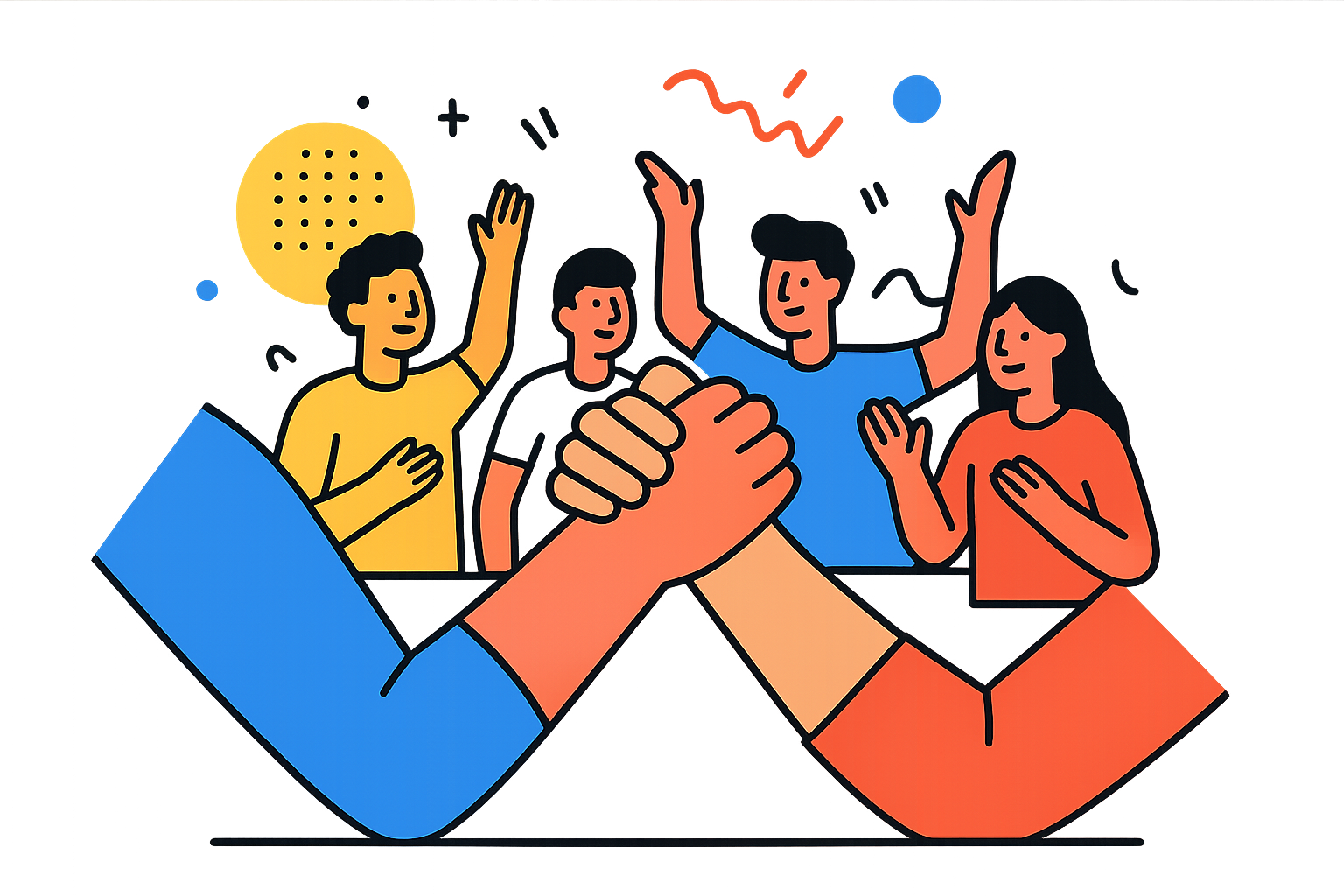
Our goal
To establish armwrestling as a community-driven sport with clear development pathways, where athletes grow in strength, skill, and unity—and where dedication can lead to lasting opportunity.
Want to know more?
Visit our Clubs & FAQ’s sections for more information about armwrestling, how to find or start a club of your own & more — contact us with any of your questions today!
© Southeast Smashers. All rights reserved.
Find A Club
Coming soon!
Would you like to find a club near you or learn how to start your own?
Add A Club
No one should have to find a club by word of mouth aloneAdd yours to the directory and help build a stronger community — so future members can find their home
About us
What can we say? We love armwrestling!
Since our founding in 2021, we’ve been dedicated to growing the sport of armwrestling — and building up our own club, the one and only Southeast Smashers.
Devon Larratt (left) Billy Berg (right)
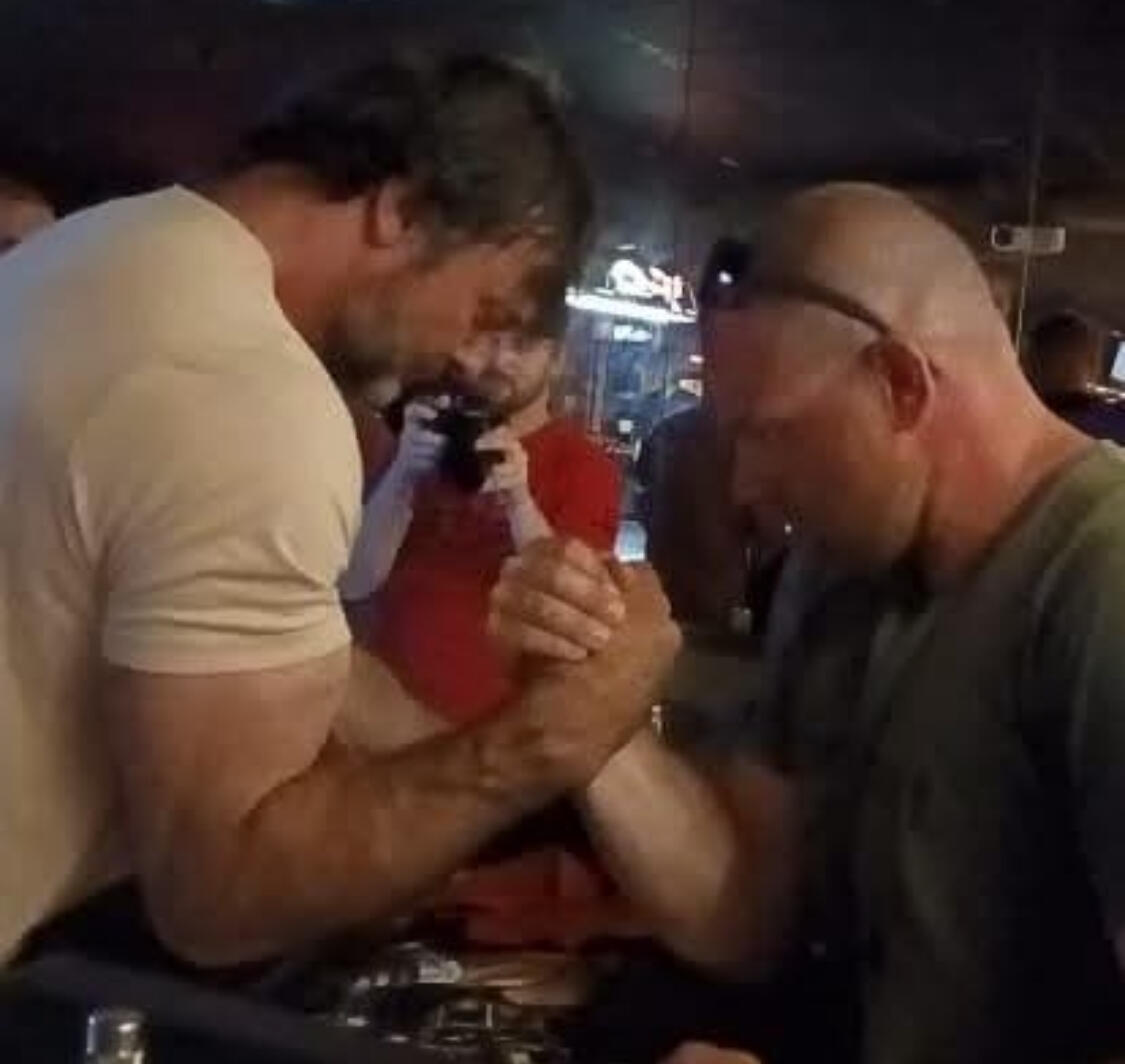
Above is our founder, Billy Berg, who started the Southeast Smashers alongside his wife, Anna Berg.Together, they lit the spark that became our club.While every one of our members is valued like family, it’s Anna and Billy who first brought us all together and helped shape the spirit of our community.Thank you, Anna and Billy — we love you!
© Southeast Smashers. All rights reserved.
Support
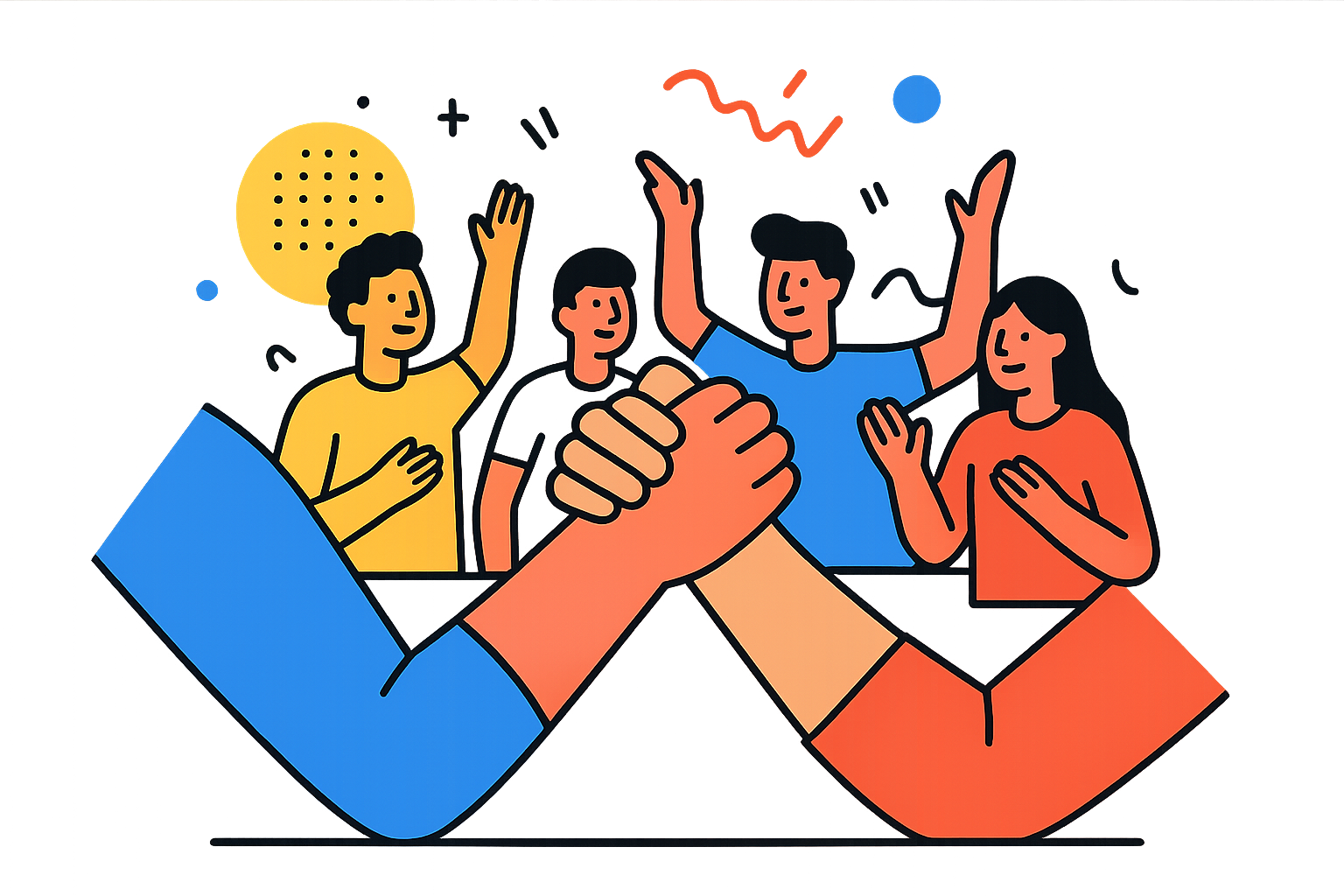
Southeast Smashers is built to grow armwrestling at the local level—safely, sustainably, and accessibly.Your support helps us maintain equipment, host weekly practices, expand into local gyms, and create more opportunities for athletes to train and compete without financial barriers.Whether you train with us or simply believe in the growth of the sport & it’s athletes, every contribution directly supports the community and helps build a stronger future for armwrestling
🔹 Supporter — $5/monthFor those who want to help their club and sport grow.Includes:
Support of local armwrestling development
Access to community updates and announcements
Early notice of events, meets, and club nights💬 No training required—just your support.
🔹 Coach — $50/monthFor members stepping into leadership and helping grow their club from the inside out.Includes:
In-depth technical development
Coaching and safety education
Hands-on experience assisting practices and events
A clear pathway to leading your own sessions💬 For members committed to building the sport locally.
🔹 Gym Membership — $60/month
For local athletes, Future MMA members, and anyone looking to get started in armwrestling with proper equipment and space to train.
Includes:
Full access to tables, pulleys, and accessory equipment
A supportive training environment
All standard membership benefits💬 In partnership with Future MMA
🔹 One-Time Support$10 / $25 / $50* contributions—no recurring commitment required.Supports:
Equipment, operations, repairs, and events💬 Perfect for friends, family, and visiting supporters who want to help grow the club.
FAQ’s
Q: Is armwrestling all about strength or mass?A: No — while strength is important, technique and leverage play a huge role. Good armwrestlers use body positioning, wrist control, and timing to maximize force. In fact, many experienced armwrestlers can defeat stronger but untrained opponents by using better angles and technique.
Q: What muscles are most important for armwrestling?A: The main muscles used are the wrists, fingers & forearms (for control, grip & positioning)Back muscles (especially the lats) for pulling power in or out of strapsShoulders and chest (for stabilizing and driving)Biceps & triceps (for added pulling & pressing power)Armwrestling is a compound movement — it engages the core through rotation, the upper body through pulling & pressing, the lower body for stabilization & leverage — in short, it’s not all about the biceps
Q: Are there different techniques in armwrestling?A: Yes, there are three fundamental techniques (excluding their advanced variations)Toproll: Focuses on opening your opponent’s hand and attacking their wrist and fingers.Hook: Involves curling your wrist inward and using close, inside power.Press: Uses body weight and shoulder drive to push the opponent’s arm down.Competitors often specialize in one technique based on their strengths, leverages & style.
Q: Can armwrestling cause injuries?A: Yes — if done incorrectly, it can cause serious injuries like humerus (upper arm) fractures, elbow ligament damage, or tendon strains.Most injuries happen when someone resists with a twisted or unstable arm position. Proper warm-up, technique, and safety awareness are crucial. Most intermediate-advanced armwrestlers have increased ligament & bone density — so injuries do occur but are quite rare.
Q: How do professional armwrestlers train?A: They train both strength and technique, often focusing on:Armwrestling table practice with partnersWrist training (wrist curls aka cupping, wrist extension, pronation & supination lifts, wrist rotations, etc) usually done with a table, pulley system & various sports specific handles / gripsStatic & isometric holds — as well as partial lifts for joint and tendon strengthGeneral strength exercises (pull-ups, rows, pressing & curls)Consistency and table time are the key to developing the endurance, strength, explosiveness and control needed in matches.
Still have questions or want to learn more? Visit our contact page or links below to learn more!
© Southeast Smashers. All rights reserved.